
Understanding Yellow Beeswax: Uses, Differences, and Applications
| What is Yellow Beeswax? Yellow beeswax is the natural form of beeswax that is secreted by worker bees. It is composed of a mixture of fatty acids, long-chain alcohols, and hydrocarbons. The yellow color of beeswax comes from the pollen and propolis that bees collect from flowers, which gives it a warm, golden hue. Yellow beeswax is often used in various crafts and products due to its natural properties and pleasant aroma. Beeswax can be found in several forms, including blocks, sheets, and pellets. Yellow beeswax pellets are small, uniform pieces of beeswax that are easy to measure and melt, making them a popular choice for DIY projects. Whether you are making candles, cosmetics, or other crafts, yellow beeswax pellets offer convenience and versatility. | 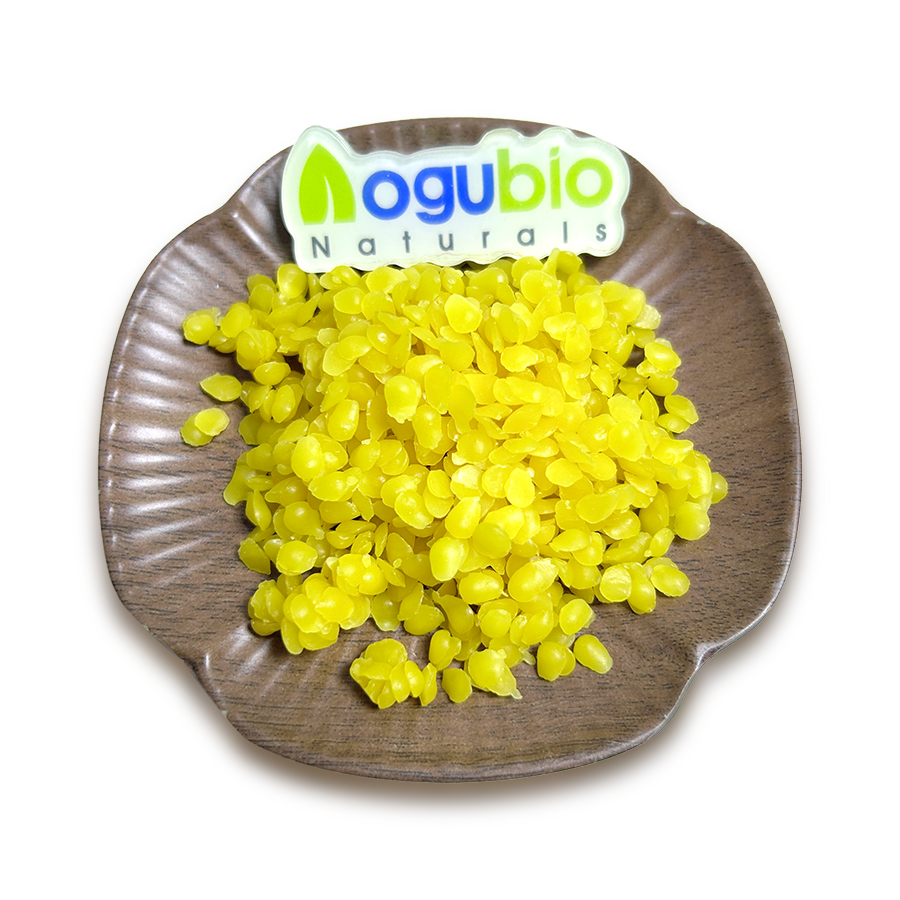 |
What is Yellow Beeswax Used For?
Yellow beeswax has a wide range of applications, making it a valuable ingredient in many industries. Here are some common uses of yellow beeswax:
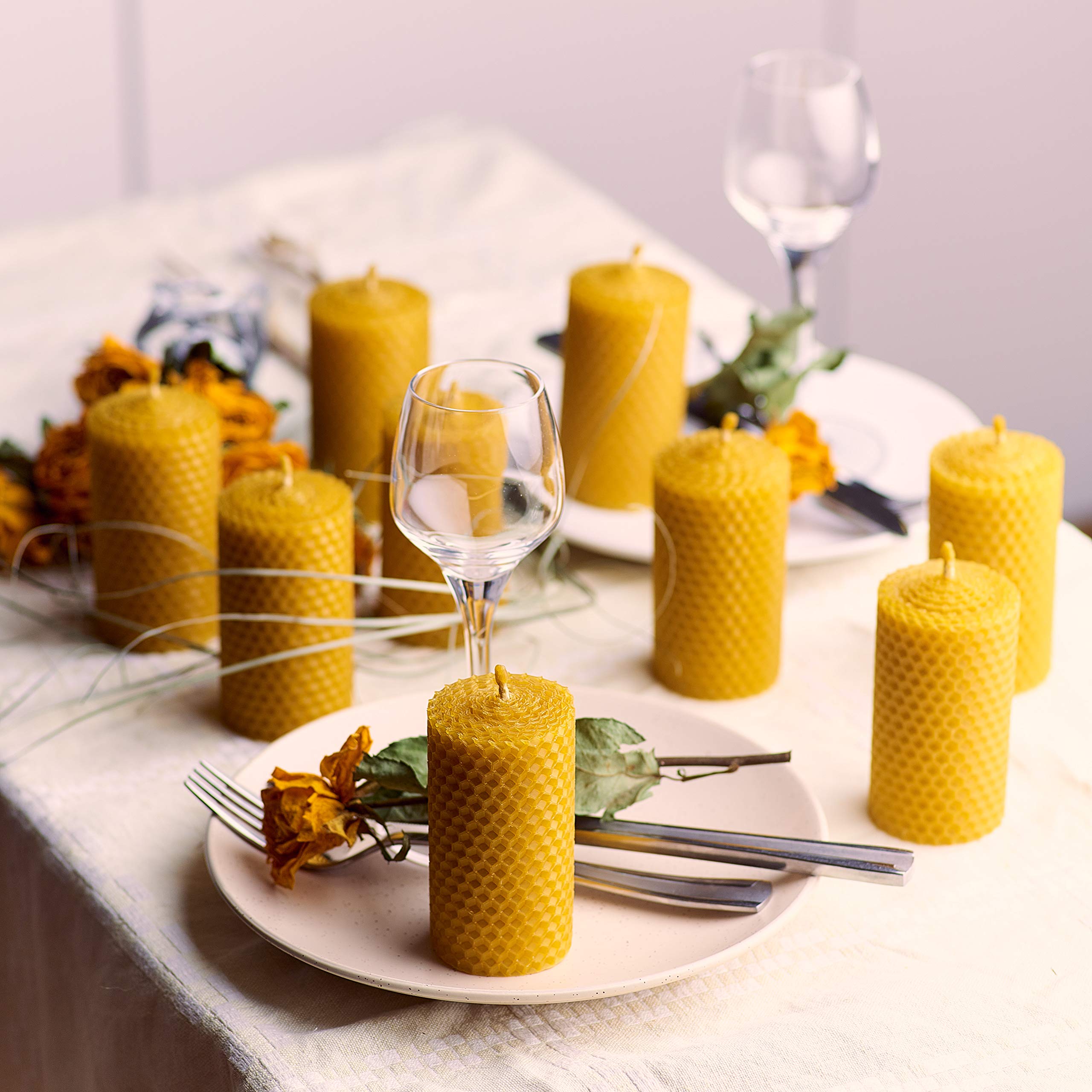
- Candle Making: One of the most popular uses of yellow beeswax is in candle making. Beeswax candles are known for their natural sweetness and pleasant aroma. They burn longer and cleaner than paraffin candles, making them a healthier choice for indoor air quality. Yellow beeswax can be used alone or blended with other waxes to create unique candle designs.
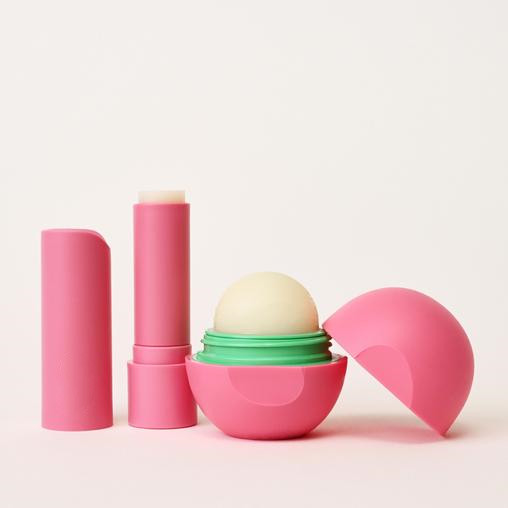
- Cosmetics and skincare:Yellow beeswax is a common ingredient in lip balms, lotions, and creams. It acts as a natural emulsifier, helping to bind oils and water together. Additionally, it provides a protective barrier on the skin, locking in moisture and preventing dryness. Its natural anti-inflammatory and antibacterial properties make it an excellent choice for soothing irritated skin.
- Food Wraps: Beeswax wraps are an eco-friendly alternative to plastic wrap. Yellow beeswax is used to coat fabric, creating a reusable wrap that can be used to cover food items. The natural properties of beeswax help to keep food fresh while being biodegradable and compostable.
- Wood Finishes: Yellow beeswax is often used in woodworking as a natural finish. It can be mixed with oils to create a protective coating for wooden surfaces, enhancing their appearance while providing a layer of protection against moisture and wear.
- Crafts and Art: Yellow beeswax is a popular medium for various crafts, including encaustic painting, batik, and modeling. Its malleability and ability to hold shape make it a favorite among artists and crafters.
Is There a Difference Between Yellow and White Beeswax?
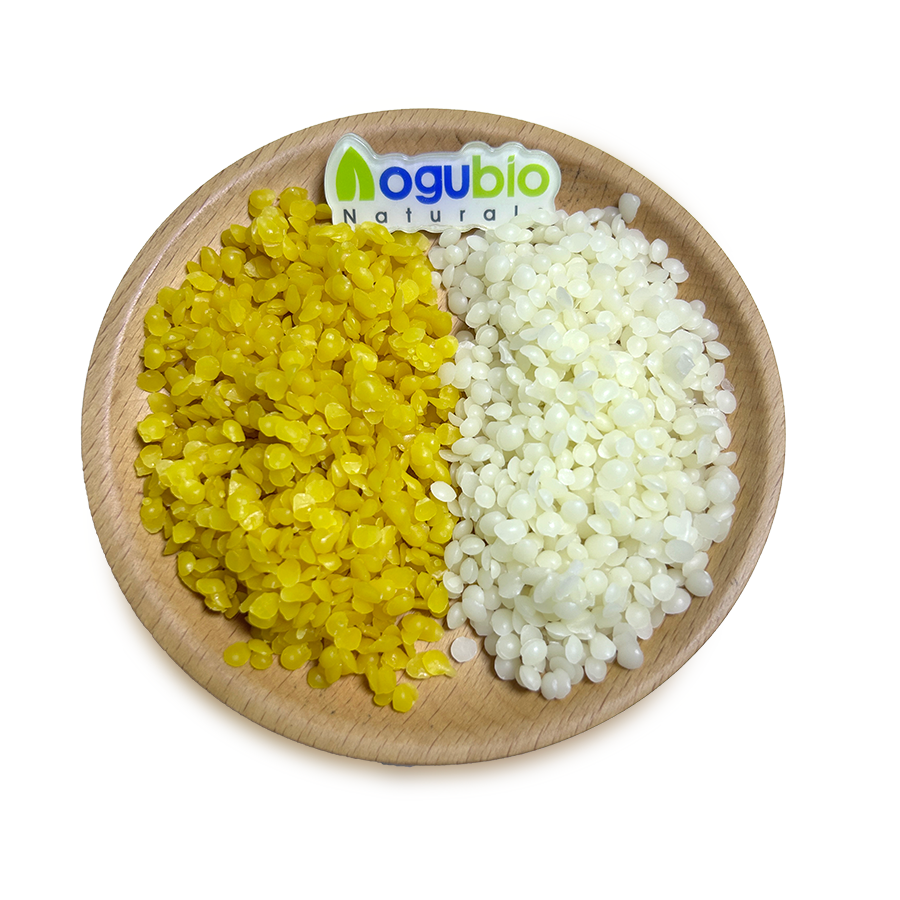 | Yes, there is a difference between yellow and white beeswax, primarily in terms of color, processing, and some properties. - Color: As the names suggest, yellow beeswax has a warm, golden hue, while white beeswax is bleached to remove the natural color. The bleaching process can involve chemical treatments or natural methods, such as exposure to sunlight. - Processing: Yellow beeswax is typically harvested directly from the honeycomb and may undergo minimal processing. In contrast, white beeswax is often refined and bleached, which can alter some of its natural properties. -Properties: Yellow beeswax retains more of its natural aroma and beneficial properties compared to white beeswax. Some users prefer yellow beeswax for its scent and natural characteristics, while others may choose white beeswax for its neutral color and appearance. |
Should I Use Yellow or White Beeswax for Lip Balm?
When it comes to making lip balm, the choice between yellow and white beeswax largely depends on personal preference and the desired outcome of the product. Here are some factors to consider:
- Aroma: Yellow beeswax has a natural, sweet scent that can enhance the overall fragrance of your lip balm. If you prefer a more aromatic product, yellow beeswax may be the better choice. On the other hand, if you want a neutral scent that allows other fragrances to shine, white beeswax may be more suitable.
- Color: If you are looking for a specific color for your lip balm, yellow beeswax will impart a warm hue, while white beeswax will keep the product color neutral. This can be important if you are adding colorants or other ingredients that may alter the final shade.
- Properties: Both yellow and white beeswax provide similar benefits in terms of texture and moisture retention. However, yellow beeswax may offer additional skin benefits due to its natural properties. If you are formulating a lip balm for sensitive or dry skin, yellow beeswax may be the preferred option.
- Personal Preference: Ultimately, the choice between yellow and white beeswax comes down to personal preference. Some people prefer the natural, unrefined qualities of yellow beeswax, while others may opt for the refined appearance of white beeswax.
Conclusion
Yellow beeswax is a versatile and natural ingredient with a wide range of applications, from candle making to cosmetics. Its warm color, pleasant aroma, and beneficial properties make it a popular choice among crafters and DIY enthusiasts. Understanding the differences between yellow and white beeswax can help you make informed decisions when selecting the right type for your projects, whether you are making lip balm, candles, or other products. Ultimately, both yellow and white beeswax have their unique advantages, and the choice will depend on your specific needs and preferences. Whether you choose yellow beeswax pellets for their convenience or opt for the refined qualities of white beeswax, you can be confident that you are using a natural and sustainable product.
- Contact: Coco Zhang
- Email: sales07@imaherb.com
- Tel/WhatsApp: +86 13649212652
- WeChat: 13649212652