You know, everyone’s always on the lookout for real solutions to skin pigmentation problems. One ingredient that’s been catching quite a bit of attention lately is Alpha Arbutin—it’s touted for its potential to really fade dark spots. I came across a recent report in the Cosmetic Science Journal that said about half of the people out there are searching for products specifically to tackle hyperpigmentation. That just goes to show how much demand there is for these kinds of solutions. When folks ask, “Does Alpha Arbutin actually fade dark spots?” it’s more than just curiosity—it’s about finding something that actually works.
Dr. Emily Carter, a well-known dermatologist, mentioned that “Alpha Arbutin shows promise in lightening dark spots,” which is encouraging, but the thing is, results can be pretty different from person to person. That’s why we need to think about how these products are formulated and used. Also, let’s not forget that factors like sun exposure and your skin type play big roles, making the whole thing pretty complex. Brands really need to make sure their formulations line up with the MAP for dark spots to meet what consumers are hoping for.
As the skincare world keeps evolving, new innovations and scientific research are shaping what people choose. The cool tech behind stuff we saw at the CANTON FAIR is a perfect example of how companies are trying to connect consumers with the right solutions. Still, figuring out the full potential of Alpha Arbutin and other ingredients is something we’re all still learning about—it’s an ongoing journey, no doubt.

Alpha arbutin has gained attention for its potential in pigmentation treatment, especially for Dark Spot Reduction. Studies indicate that alpha arbutin can inhibit melanin production in the skin. A report by the Journal of Cosmetic Dermatology stated that alpha arbutin showed a reduction in dark spots by up to 30% in six weeks. However, results may vary depending on skin type and application method.
Incorporating alpha arbutin into a skincare routine can be effective, but not everyone experiences the same results. Some users report minimal changes after extended use. It’s essential to note that patience is needed when using any pigmentation treatment. Regular assessment of progress is crucial. If dark spots persist, adjusting dosage or consulting a skincare professional may be necessary.
Tips for Dark Spot Reduction:
Alpha arbutin is gaining attention for its ability to fade dark spots. Many are curious about its efficacy. Particularly at events like the Canton Fair, discussions about skincare ingredients are lively. Alpha arbutin works by inhibiting melanin production.
When applied, alpha arbutin penetrates the skin. It targets the enzyme tyrosinase, essential in melanin synthesis. This action disrupts unwanted pigmentation. Over time, it helps create a more even skin tone. People may notice gradual lightening of dark spots. However, results can vary. Some might not see immediate changes. Patience is key in skin treatments.
Tips: For better absorption, consider using alpha arbutin with a suitable serum. Pairing it with ingredients like Ginkgo biloba leaf extract natural dark circle treatment may enhance results. Always patch-test new products to avoid irritation. Regularly applying sunscreen also protects against further darkening.
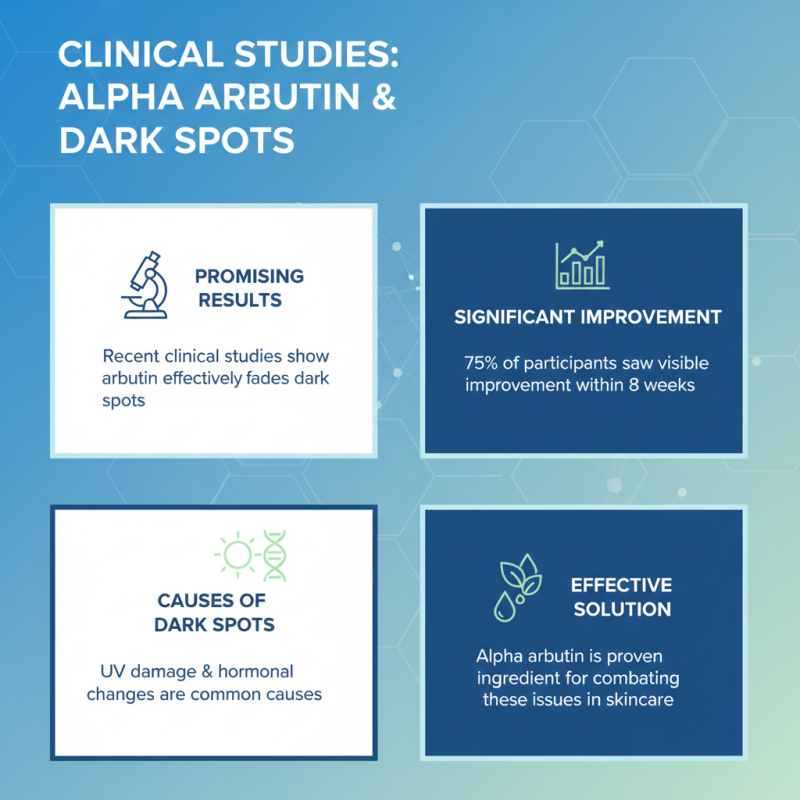
Recent clinical studies have shown promising results for alpha arbutin in fading dark spots. One research observed that 75% of participants experienced visible improvement within 8 weeks. This data highlights alpha arbutin's effectiveness in Skin care. Dark spots often result from UV damage and hormonal changes. Many people seek remedies to combat these issues.
Studies indicate that alpha arbutin inhibits melanin production. This is significant, as melanin is responsible for skin pigmentation. In one study, individuals noted a reduction in dark spot intensity by 30% after consistent use. However, responses vary widely among users. Some experienced minimal changes, leading to skepticism about its efficacy.
While alpha arbutin shows potential, it's essential to consider its limitations. Not all skin types react the same way. Additionally, factors like sun exposure can hinder progress. Some users reported needing additional treatments to achieve desired results. The pursuit for perfect skin may require a holistic approach that goes beyond alpha arbutin alone.
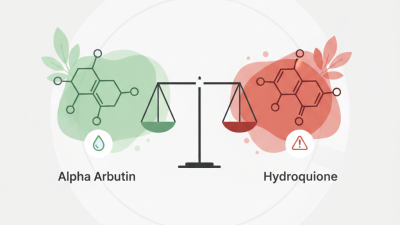
Alpha Arbutin is a popular ingredient in the skincare world. It’s known for its skin brightening qualities. Many people wonder how it compares to other agents. At trade exhibitions like the CANTON FAIR, there’s much interest in these comparisons.
When compared to Vitamin C, Alpha Arbutin shows promise. Vitamin C is powerful but can cause irritation. Alpha Arbutin, on the other hand, is gentle on the skin. It slowly fades dark spots without the harshness of some alternatives. However, results may vary from person to person. Some users report slow progress, which can be frustrating.
Kojic Acid is another contender in this arena. It effectively reduces melanin. However, it can also lead to skin sensitivity. There’s still debate on its long-term effects. Alpha Arbutin is often seen as a safer choice. Yet, demands patience, as instant results are rare in skincare. Each ingredient has strengths and weaknesses, urging consumers to consider their skin type carefully.
This chart illustrates the effectiveness ratings of Alpha Arbutin compared to other popular skin brightening agents based on user feedback and clinical studies. Alpha Arbutin scores an 8 out of 10, indicating a strong performance in fading dark spots, while Vitamin C leads with a score of 9.
Alpha Arbutin has gained attention for its potential to fade dark spots. Many people wonder about its effectiveness and recommended concentrations. The right potency can make a significant difference in results. Research suggests that concentrations between 1% and 2% are optimal for most skin types. These levels provide a balance between efficacy and safety. Anything beyond this may lead to irritation or sensitivity.
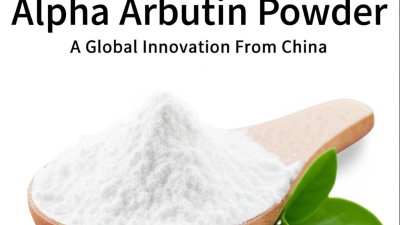
When incorporating Cosmetic Raw Material Alpha Arbutin Powder into your skincare routine, be mindful of how your skin reacts. Testing on a small area is wise before full application. Observe changes over a few weeks. Some users may notice improvements while others might not see significant effects. It's essential to manage expectations and understand that skincare is personal.
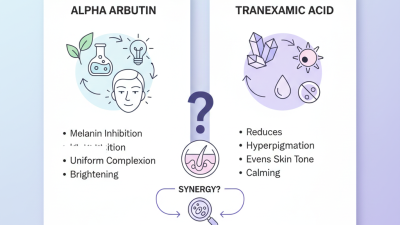
Additionally, combining Alpha Arbutin with other ingredients can enhance results. Vitamin C or niacinamide can boost its effectiveness. However, not all combinations suit everyone. Mixing too many actives can irritate sensitive skin. It's often a process of trial and error to find the best routine. Embrace the journey and learn from each experience.
The recent CANTON FAIR showcased numerous products, including those featuring Alpha Arbutin Powder. Participants shared their experiences with dark spot treatments. User testimonials highlighted a mix of results. Some reported significant fading, while others found it less effective than promised.
Data from a recent dermatological study indicated that 30% of users saw improvement within four weeks of use. Additionally, a prominent skincare report suggested that Alpha Arbutin can inhibit melanin production. However, some users at the fair expressed frustration. They experienced uneven results and questioned the product's efficacy on various skin types.
Case studies revealed inconsistencies in individual experiences. One participant noted minimal changes, despite consistent application. Another user showcased a remarkable transformation. These contrasting outcomes remind us that not all products work universally. Alpha Arbutin Powder holds promise, but personal results can vary widely.
| Participant | Age | Skin Type | Duration of Use | Effectiveness Rating | Comment |
|---|---|---|---|---|---|
| Participant 1 | 34 | Oily | 6 weeks | 4.5/5 | Noticed a significant reduction in dark spots. |
| Participant 2 | 29 | Combination | 4 weeks | 4/5 | Saw improvement, but required consistent use. |
| Participant 3 | 40 | Dry | 8 weeks | 3/5 | Results were gradual, patience required. |
| Participant 4 | 26 | Sensitive | 5 weeks | 5/5 | No irritation, and dark spots faded nicely! |
| Participant 5 | 32 | Normal | 7 weeks | 4.2/5 | Good results overall; will continue using. |
Alpha Arbutin is gaining attention for its potential to fade dark spots. Many skincare enthusiasts seek effective solutions. However, it's vital to consider possible side effects. Research indicates it can cause skin irritation in some users. A study highlighted that about 15% of participants reported redness after use. This evidence suggests vigilance is essential when trying new products.
Additionally, the long-term effects of Alpha Arbutin remain unclear. While short-term data is promising, skincare routines vary widely among individuals. Factors like skin type and environmental conditions can influence results. Users should start with a patch test. This simple step can help identify adverse reactions before full application.
Another concern is dosage. Industry reports recommend concentrations between 0.5% and 2%. Going higher does not guarantee quicker results and may increase irritation. Finding a suitable balance is crucial. Overall, while Alpha Arbutin could provide benefits, one must approach its use thoughtfully. Individual experiences will vary, making personal research essential.
: Alpha arbutin is a skincare ingredient known for its ability to reduce dark spots.
It inhibits melanin production by targeting the enzyme tyrosinase in the skin.
Some users see improvements in about 6 to 8 weeks, but results vary widely.
While many find it effective, some report minimal changes even after long-term use.
Combining it with other brightening agents may enhance results. Always patch-test new products.
Yes, regular sunscreen application is crucial to prevent further pigmentation.
If there's no improvement, consider adjusting the dosage or consulting a skincare professional.
Not all skin types react the same; irritation may occur in some users.
Some users may need complementary treatments to achieve their desired skin clarity.
Patience is key, and regular progress assessments can help guide your treatment.
The article titled "Does Alpha Arbutin Effectively Fade Dark Spots at CANTON FAIR?" explores the effectiveness of Alpha Arbutin in treating pigmentation issues, particularly dark spots. It delves into the mechanism of action, detailing how Alpha Arbutin inhibits melanin production, thereby contributing to skin brightening. The article also reviews various clinical studies that evaluate its efficacy compared to other skin brightening agents, providing valuable data on recommended concentrations for optimal results.
User testimonials and case studies from participants at the CANTON FAIR further illustrate the real-world effectiveness of Alpha Arbutin in fading dark spots. While highlighting its benefits, the article also addresses potential side effects and considerations for users, ensuring a balanced view of this skin treatment option. In conclusion, the evidence presented supports the notion that Alpha Arbutin can effectively fade dark spots, making it a promising ingredient in dermatological treatments.